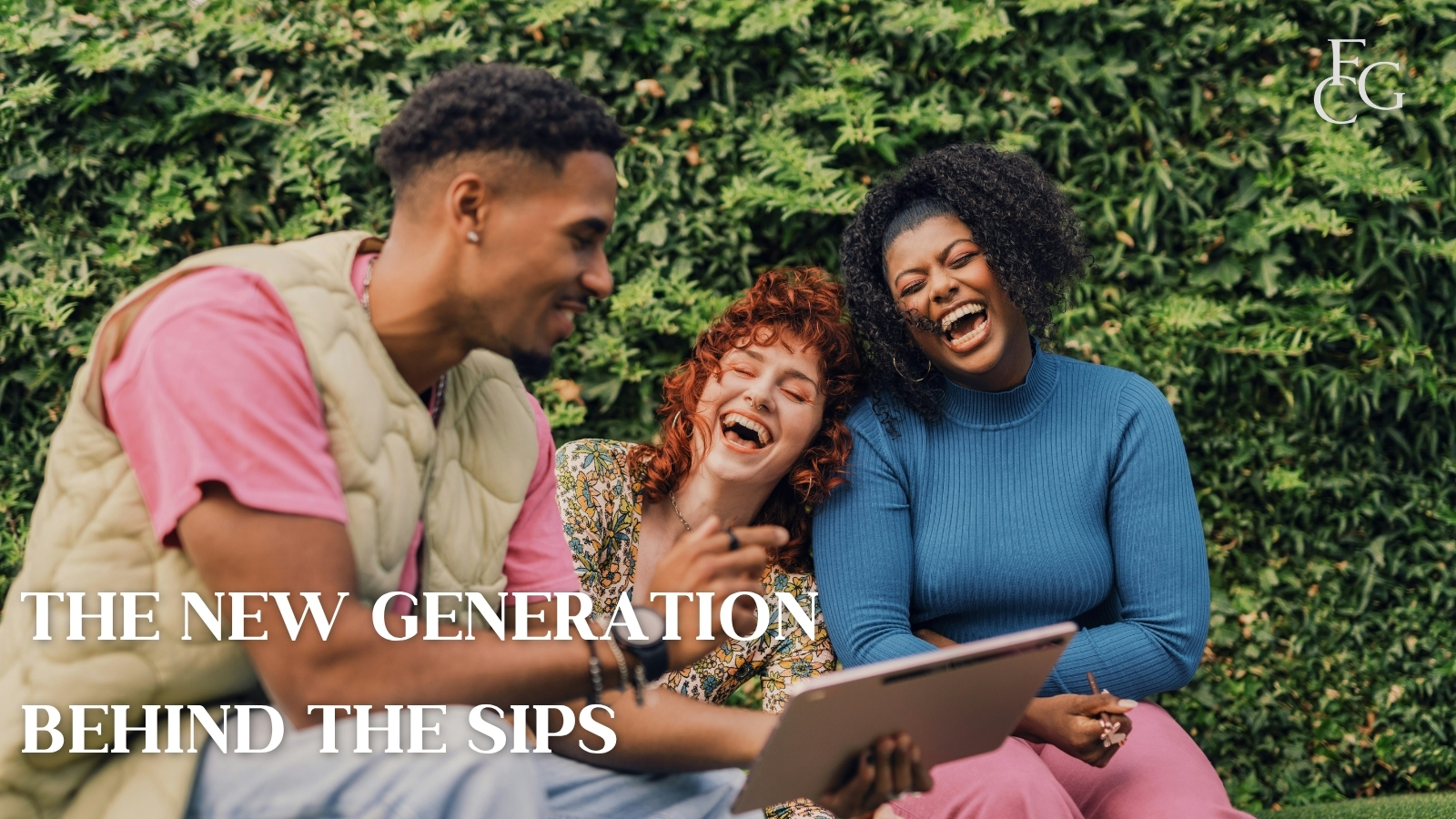
In this month’s post, we explore how Gen Z multicultural drinkers (LDA 21+) are re-engaging with alcoholic beverages (which we define as spirits, beer, RTDs, wine, and hard seltzers). We uncover their reasons for drinking, their precautions, the economic factors at play, and how brands can build long-term growth with this new generation by tapping into the power of experiences.
Entering the Market and Maintaining Long-Term Growth
Multicultural Gen Z consumers are the newest demographic represented in the alcoholic beverage industry. While the industry is seeing a decrease in consumption and purchase amounts, Gen Z still rates high for in-person liquor purchases. This audience is about 2.5 times more likely to buy liquor at convenience stores than the general market (Resonate, 2026).
While consumption may have stalled, the spirits market shouldn’t be counted out. There is still an opportunity for brands to connect with this new generation in meaningful ways. Research shows that Gen Z drinkers are more willing to explore new beverage options, particularly in spirits (IWSR, 2025). While the economy remains a top concern for Gen Z, brands shouldn’t shy away, as this generation enters their careers, there is a strong possibility their engagement with spirits will increase, as seen with previous generations (The Spirits Business, 2026). This underscores the significance of connecting with multicultural Gen Z drinkers and understanding the factors that drive their behavior now.
Multicultural Gen Z Deciding Factors
Across several markets and research, common deciding factors for Gen Z are taste and authenticity; these are generational non-negotiables. Gen Z has proven over the years to be a nontraditional segment, drawing attention to details, issues, and trends other generations have ignored. This is especially evident in their drinking habits, with a focus on wines featuring unexpected flavor notes, infused spirits, and an abundance of ready-to-drink options (Beverage Daily, 2025).
Other factors contributing to the purchase and brand support include:
- Social media discovery- meeting them where and how they are across social media
- In-store buying- tying convenience to experience when they are ready to purchase
- Celebrity/influencer endorsements- finding refreshing ways to tap into credible authenticity
- Peer-to-peer recommendations- second-hand experiences turning into encouragement for trial
Gen Z is heavily influenced by digital creators, with 62% being more likely to purchase alcohol if advertised on social media (BevInfo Group, 2026). Not only does digital exposure play into their choices, but endorsements by influencers, celebrities, and community members also gain interest.
Influence from peers and community is another driving factor, with about 58% of Gen Z sharing they’d be influenced to purchase alcohol if endorsed by peers (Penn State, 2024). For beer drinkers, this insight is even more prominent: they are 89% likely to select new beers based on personal recommendations (Resonate, 2026).
Likelihood to Drink & What They’re Looking to Experience
Gen Z, compared with past generations, is willing to spend on experiences tied to their drinking habits (Penn State, 2024). This generation is 2x more likely to consider the activity and aim to build on their drinks experience when deciding to buy liquor (Resonate, 2026).
This allows brands to focus on how to approach this audience authentically and truly engage with their interests and wants as consumers. Experiences matter because they offer opportunities for a generation coming of age during COVID-19 to connect on multiple levels. Their drinking habits and social interactions differ vastly from those of other generations. When going for a drink, it’s a bigger moment for them; they’re searching for a brand that authentically contributes to moments, not just outcomes. Understanding what experiences Gen Z seeks is the first step for brands to build connections and ensure long-term relevance.
However, an equally significant consideration is understanding why some multicultural Gen Z consumers choose not to drink. Research indicates that Gen Z is not a generation that rejects alcohol entirely, but rather one that consumes it less and more mindfully. Knowing this insight is the first step in purposefully defining brand positioning for a more genuine approach. Gen Z is proactive about maintaining a mental and physical health balance (Cleavland Clinic, 2023). They understand alcohol is a depressant and don’t want to use it as an unhealthy coping method. Additionally, they prioritize the nutritional makeup of their beverages more than other generations. Gen Z’s mental and physical health are always-on factors in their relationship with alcoholic beverages.
Key Takeaways
Brand leaders can engage with multicultural Gen Z in meaningful ways that not only maintain loyalty but also foster a connection in the right context. Understanding the factors that drive their spirits purchases and the experiences they seek from spirits can help industry leaders build purposeful connections with a new generation of American drinkers.
For more insights on multicultural Gen Z and the alcoholic beverage industry, feel free to reach out and schedule a chat with us, and don’t miss our industry-led panel with top multicultural leaders in this growing market coming soon!
Sincerely,
Team FCG
Sources:
Resonate
IWSR
Penn State
Beverage Information Group. com
Beverage Daily.com
The Spirits Business